
Get Your FREE Case Review
 5.0 Rating | Highly Rated & Trusted for Over 50 Years
You don’t have to face this fight alone. At Edwards & Patterson, our team brings over 50 years of experience in securing full and fair compensation for injured victims like yourself.
If a large commercial vehicle was unable to stop prior to striking you then you may be able to make a claim for damages if the reason for your injury was improper or neglected maintenance of the truck, an unsafe repair to the truck, a defective part that failed, causing the loss of control of the vehicle, or if the driver’s actions contributed to the collision through careless operation of the vehicle.
A truck brake failure accident attorney in Tulsa will ensure that all evidence available (the truck, its brake system parts) as well as business records from the company are preserved so as not to be altered or destroyed. The critical issue in this type of case is what happened with respect to why the truck was unable to stop and which parties could have taken action to prevent the failure of the brakes.

Contact us today for your free & confidential case review. Our team will help you get the compensation that you deserve.
To support a claim, there must be evidence supporting the argument that a person or entity acted in such a manner as to fail to exercise ordinary care; that their act(s) were a proximate cause of the accident; and/or that their acts caused injuries/losses. Potential claimants include motorists, passengers, motorcycle riders, pedestrians, bicyclists, and surviving family members (if applicable, and as defined in Oklahoma’s wrongful death statute).
Brake failure alone is insufficient to establish negligence. Each factor must be evaluated in relation to the others, the condition of the vehicle, the actions of the driver, and how they all occurred sequentially.
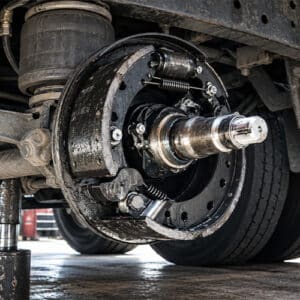
There are many ways in which the driver could have been at fault, i.e., following too close, speeding, distraction, etc., and still had functioning brakes. Alternatively, it was possible that the brakes themselves were defective and therefore did not function properly due to worn brake lining, air leaks, incorrect adjustments, cracked hoses, broken drums or rotors, or poor quality repairs.
Additionally, more than one contributing factor can be present. For example, additional weight added to the vehicle will create increased demands upon the brakes; however, if the defect exists within the braking system itself, it would only take a slight amount of increased stress (i.e., rapid acceleration/deceleration), through driver error, to result in the vehicle colliding with another vehicle/object.
Some of these relevant facts may include statements from witnesses regarding a loss of air pressure, warning lights illuminated on the instrument panel, smoke emanating from the vicinity of a wheel, excessive heat being generated by one or both wheels, and visual/video evidence depicting inadequate deceleration prior to impact. While a crash investigation may identify potential defects, each fact standing separately is not enough to determine whether a valid claim exists.
In cases where an automobile accident results in the loss of your loved one, Oklahoma law generally allows the deceased person’s personal representative to bring a wrongful death action if the deceased could have maintained an action had they survived. Possible recoverable damages may include reasonable medical bills paid for services rendered to treat the fatal injury(ies); qualifying funeral/burial costs; monetary losses sustained by those who relied on the victim; and/or loss of relationship damages allowable under the statute. You are not alone in this.
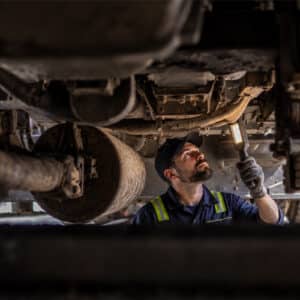 Federal safety regulations define what should occur prior to a collision. Except in certain cases, 49 CFR Section 393.48 states that, as a general rule, the braking system of each commercial motor vehicle shall be able to function properly at all times. Other federal regulations describe requirements related to linings, pads, drums, rotors, hoses, warning devices, adjustments, and the ability to stop safely.
Each motor carrier shall perform systematic inspections and repairs/maintenance on the equipment that it controls under 49 CFR Section 396.3. Additionally, before operating a commercial vehicle, 49 CFR § 396.13 requires the driver to be satisfied that the vehicle is in safe operating condition and, in circumstances required, to review the most recent driver vehicle inspection report and acknowledge that required repairs have been certified.
In general, a commercial motor vehicle is required to undergo a periodic inspection at least one time within the previous twelve months. However, this does not remove the requirement for continued maintenance. In addition, motor carriers are required to ensure that employees who are responsible for brake inspection, maintenance, service, or repair meet qualification requirements that are in 49 CFR § 396.25.
A regulatory violation may be considered strong evidence; however, it will not result in a decision in the plaintiff’s favor solely because of the violation. The violation or additional negligent acts must be tied to the brake condition and the accident.
Contact us today for your free & confidential case review. Our team will help you get the compensation that you deserve.
The full story on who controls the truck and what caused damage to its brakes can get complex quickly. It can take many different parties to create one problem.
The carrier could be at fault if they neglected to maintain their trucks properly, did not inspect them correctly, did not keep accurate records of the maintenance done on the vehicles, or returned a vehicle with a known defect back into service. If the owner of the tractor and the owner of the trailer are different entities, then either owner may potentially bear responsibility if conduct concerning the inspections, maintenance, or condition of the equipment contributed to the brake failure.
The driver may share some of the blame in missing a problem, ignoring a required check before leaving, driving after a warning light came on, excessive speed, tailgating, and misuse of the brake pedal. Simply stating that an incident happened suddenly does not necessarily establish that it was unforeseeable or unpreventable. Reasonable inspections are to look out for these prior warning signs, reported defects, or conditions that should be investigated if present.
A repair service/inspector may be held accountable for an accident as well if their inspection, maintenance, or repair negligence resulted in an unsafe braking system contributing to the vehicle crash. The same can be said of a defective brake part causing a failure; an individual injured by such could also have a product liability claim against the manufacturer or other party who sold the defective part.
A good deal of information can stay with your tractor or trailer. You can document how the brake chambers look, measure adjustments to brakes, brake lining (pads) condition, drum/rotor conditions, brake hose & other air system components including warning systems and electronic control systems as well as signs of heat from excessive braking and also removed/destroyed components.
Evidence may be altered during towing, repairs, disassembly and/or resale. An attorney may send a preservation letter to indicate what you wish to preserve, such as relevant equipment, components, records, or electronic data. Inspection should be accomplished in a mutually agreeable manner or by law and with individuals who are qualified.
The physical appearance of your truck is likely to indicate the state in which it has been maintained. The history of how the truck came into this state, as well as who was aware of its condition, will also be indicated by company documentation. Some examples of important materials that could help you determine what happened to your truck are:
Timing is also very important. Generally speaking, carriers must keep a copy of the driver’s Vehicle Inspection Report for at least three (3) months under § 396.11 of Title 49 CFR. In addition, certain records related to vehicle maintenance by 49 CFR § 396.3 generally must be retained where the vehicle is housed or maintained for one year and for six months after the vehicle leaves the motor carrier’s control.
It is likely that the time frame in which you must file suit against the carrier will be longer than either of these two time frames. Taking steps early on to preserve relevant documentation will help prevent such documentation from being lost through the normal course of business activities.
A common method for carriers, repair shops, and manufacturers to defend against liability is to deflect responsibility from each other through allegations of either (1) improper maintenance of the vehicle after purchase; (2) typical use and wear of parts on vehicles such as this; (3) abuse/misuse of the equipment; or (4) the vehicle being overloaded.
Also, insurers may claim that the injured party was negligent and/or violated certain traffic laws, including but not limited to: speeding; failing to maintain a safe distance between their vehicle and the vehicle they were attempting to pass; or making an unsafe lane change. Oklahoma utilizes a form of modified comparative negligence. Generally, you may recover damages if your own negligence is not greater than the combined negligence of the parties responsible for your injury, although your recovery will be reduced by your percentage of fault. If your negligence is greater than the combined negligence of the responsible parties, you are barred from recovery.
In addition, carriers/insurers may dispute that injuries resulted directly from the accident, or that pre-existing conditions explain the injured party’s complaints. In order to establish causation and support potential future loss, medical and financial records should be used.
Contact us today for your free & confidential case review. Our team will help you get the compensation that you deserve.
The amount you receive will depend upon what evidence supports your claim. Damages can be categorized into two types: (Economic Losses) & (Noneconomic Losses).
 Your (Economic Losses) are usually costs you incurred due to your injury. These costs include:
These types of losses should be supported by documentation or other reliable evidence.
Your non-economic losses, also known as general damages, represent the intangible aspects of your personal suffering such as:
Since September 1, 2025, under Title 23, Section 61.3, there is no cap on economic damages if your severe bodily injury occurred on or after this date; however, there is a general limitation of $500,000 on noneconomic damages, and this differs if there are specific permanent and severe physical injuries, qualifying permanent mental injuries, and certain forms of misconduct. However, this law applies to most civil actions arising from bodily injury with one exception: those filed under the Oklahoma Governmental Tort Claims Act or actions brought pursuant to Section 7 of Article XXIII of the Oklahoma Constitution, which is essentially protection for wrongful death damages. Therefore, the injury date and applicable statutory findings can affect the limit on recoverable noneconomic damages.
Punitive Damages are entirely separate from your initial recovery for your injury and are not available in every case.
Generally, you have two (2) years to pursue a claim in Oklahoma where your personal rights were injured. In most cases, it is unwise to wait until nearly this time has expired because by then, the truck will likely have been repaired, and other evidence which was required to be maintained under federal regulations could be destroyed.
When the injury involves a state or local governmental vehicle, different deadlines and processes are applied. Under the Oklahoma Governmental Tort Claims Act, you must give written notice of your loss within one (1) year of its occurrence. Generally, if you submit a claim as allowed under the act and it is denied, you must commence litigation with the governmental entity within 180 days thereafter. If there are exceptions to these rules that would affect your timeframe, you should review them immediately.
Review of your case by a lawyer as soon as possible could be beneficial if you were seriously injured in an accident with a commercial vehicle (such as a semi-truck), there was no agreement on whether the failure caused the crash by the carrier, if the tractor trailer is going to be repaired, if there are multiple companies responsible for the maintenance/repair of the equipment, if a component is damaged and possibly defective, or if the insurance provider wants a statement or release from you.
A good attorney can find all parties involved in the wreck, issue a preservation request to the carriers involved, arrange for inspections of the vehicles and equipment, obtain documentation of loss from the carriers, contract other professional services if necessary, determine what losses have been incurred by the claimant(s), and defend against claims of fault.
Acting quickly also improves chances that evidence will remain intact.
Speak with a Tulsa truck brake failure accident lawyer at Edwards & Patterson Law about the collision and the evidence that may need attention. We offer a free and confidential case review and receive payment only when we obtain compensation; this will always be further explained in our written fee agreement.
Contact Edwards & Patterson Law to request a review. Every case depends on its own facts, and a consultation does not guarantee an outcome.
No. Skid marks are just one element in evaluating braking performance. Factors such as modern vehicle design, roadway surface characteristics, driver inputs, and the sequence of events leading up to the crash all impact the likelihood of skid mark formation. Skid marks are used for comparison purposes along with other evidence including video footage, digital data (e.g., black box), physical inspection, and witness statements. No. While completion of an annual inspection may provide information regarding the status of a vehicle’s safety features at that time, Federal regulations dictate that vehicles be maintained systematically and operated safely throughout each year. Therefore, the investigation must evaluate what occurred subsequent to the inspection; i.e., were there subsequent defects identified, and did the inspection adequately identify existing or developing conditions? Not necessarily. An “unexpected” failure can occur as a result of wear on a component, an air leak from a system or area of a vehicle that was not inspected and/or tested during regular inspections/ maintenance activities, previous warnings from drivers or mechanics about problems with a particular component/system, a defective product/component, or an otherwise obvious condition which would have been identifiable during proper maintenance. On the other hand, it is possible that a motor carrier could present genuine and legitimate reasons why they were unable to anticipate the failure. All documentation pertaining to vehicle operation, maintenance history, and technical aspects of truck operation will need to be reviewed in order to assess this claim.Frequently Asked Questions
Does the Absence of Skid Marks Mean the Brakes Failed?
Does a Passing Annual Inspection End the Inquiry?
What if the Trucking Company Says the Failure Was Completely Unexpected?
 Call Now918-302-3700
 Send Text539-295-4225








Or fill in the form below with your case details and we will respond to your inquiry within 15 minutes..
"*" indicates required fields
Or fill in the form below with your case details and we will respond to your inquiry within 15 minutes..
"*" indicates required fields
"*" indicates required fields
We will review your quote request within 1-2 business days and will contact you by either phone or email, or both. In the meantime, learn more about your team!

