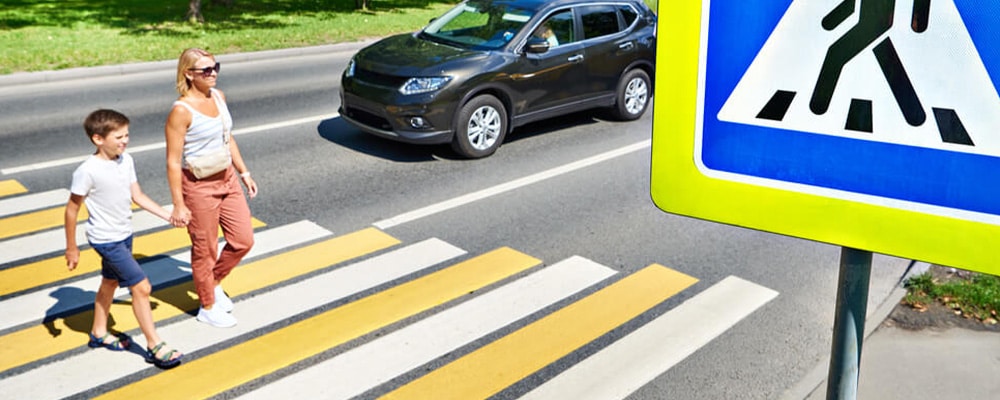
The main causes of pedestrian accidents include driver-related factors, pedestrian behavior, and environmental conditions that create dangerous interactions between vehicles and people on foot. Distracted driving ranks among the top causes, with drivers texting, adjusting controls, or engaging with passengers while pedestrians enter crosswalks. Failure to yield at crosswalks and intersections causes numerous accidents as drivers ignore pedestrian right-of-way. Speeding reduces reaction time and increases impact severity, particularly in residential areas and school zones.

 Call Now
 Send Text
Pedestrian Accident Lawyer
Contact us today for your free & confidential case review. Our team will help you get the compensation that you deserve.
Driver impairment from alcohol or drugs severely compromises the ability to detect and avoid pedestrians. Poor visibility during darkness, dawn, or dusk contributes significantly, especially when pedestrians wear dark clothing. Turning vehicles, particularly right turns on red, strike pedestrians in crosswalks as drivers focus on traffic rather than on the sidewalks. Pedestrian factors include jaywalking or crossing outside designated areas, sudden street entry without checking for traffic, walking while intoxicated or distracted by phones, and wearing dark clothing at night, reducing visibility. Environmental causes include inadequate crosswalk markings, missing traffic signals, poor lighting, obstructed sight lines from parked cars or vegetation, and roads lacking sidewalks, forcing pedestrians into traffic. Children and elderly pedestrians face elevated risks due to limited judgment or mobility challenges. Most pedestrian accidents occur in urban areas, at intersections, during evening hours, and in areas lacking pedestrian infrastructure. Prevention requires driver vigilance, reduced speeds in pedestrian-heavy areas, improved infrastructure, and pedestrian caution when crossing streets.
Related Article(s)
Last updated Thursday, January 22nd, 2026